
 Request a quote

Your cart
There are no more items in your cart

- 2352 views
- 0 comments
The diversity of electrical plugs around the world can be bewildering for travelers moving between countries. This variety stems from a mix of historical, cultural, and technical factors that have led to different standards being adopted in each region. Below, we explore the main types of plugs and their geographic distribution.
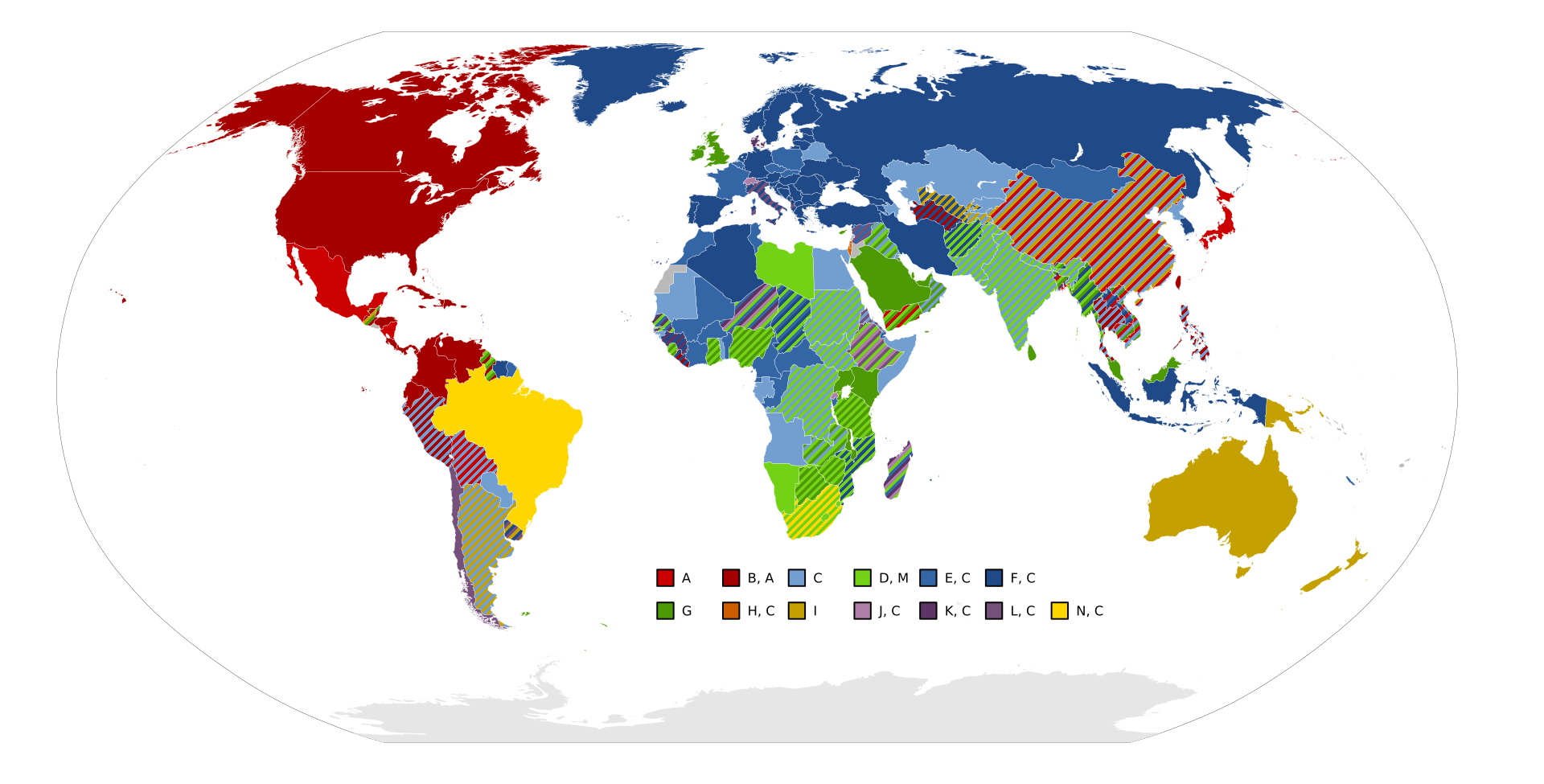
Why So Many Variants Exist
The variety of plugs exists because of the lack of a global standard during the early days of electrification. Each country or region developed its own standards to suit local needs and available technologies.
Main Plug Types
Type A and Type B
Description: Type A has two parallel flat pins, while Type B includes a third round pin for grounding.
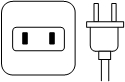
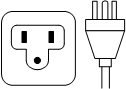
Location: Mainly in North America, Central America, and Japan. Japanese plugs are slightly smaller despite their similarity.
Type C
Description: Known as the "Europlug," it has two round pins. It is one of the most common plugs worldwide.

Location: Continental Europe, parts of Asia, and South America.
Type D
Description: Features three round pins arranged in a triangular pattern.
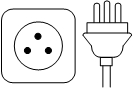
Location: Used in India, Nepal, and parts of Africa.
Type E and Type F
Description: Both have two round pins and allow grounding. Type E uses a hole for the grounding pin, while Type F has two metal clips.
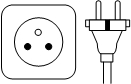
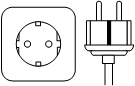
Location: Predominant in continental Europe, except for the UK and Ireland.
Type G
Description: Three rectangular pins arranged in a triangular shape.
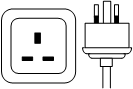
Location: United Kingdom, Ireland, Hong Kong, and much of the Middle East.
Type I
Description: Two slanted flat pins and often a third pin for grounding.
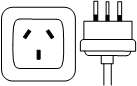
Location: Australia, New Zealand, China, and Argentina.
Tips for international personnel and deployments.
For frequent travelers, universal adapters are essential. In addition, it is important to verify voltage and power frequency compatibility, as they vary between 100 V and 240 V and between 50 Hz and 60 Hz. This is essential for proper planning of possible equipment installations in different countries.
In summary, understanding the types of plugs and their geographical location can greatly facilitate the preparation of an international trip or equipment deployment in another country, avoiding mishaps related to power supply.
Comments (0)